 25 June 2026
 Share
Share
1
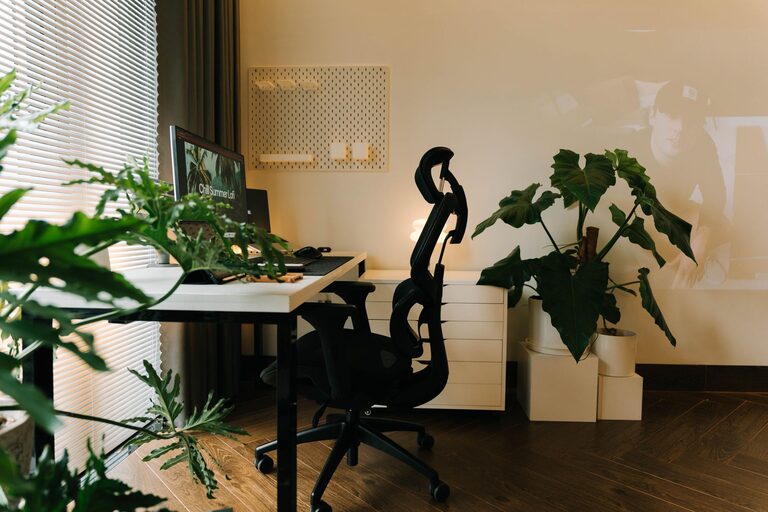
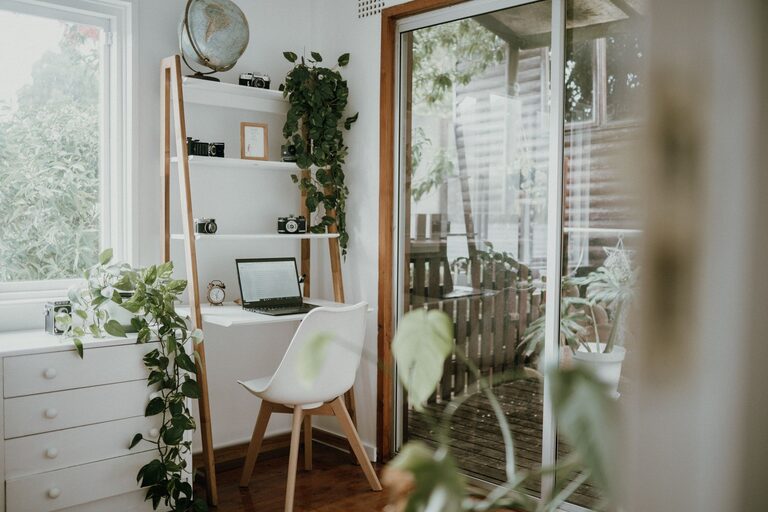
Creating a home workspace that is both cozy and productive can greatly improve your work-from-home experience. A well-designed area encourages focus, reduces stress, and helps you maintain a healthy work-life balance. Whether you have a dedicated room or just a small corner, applying a few thoughtful strategies can transform your workspace into a comfortable and efficient environment.
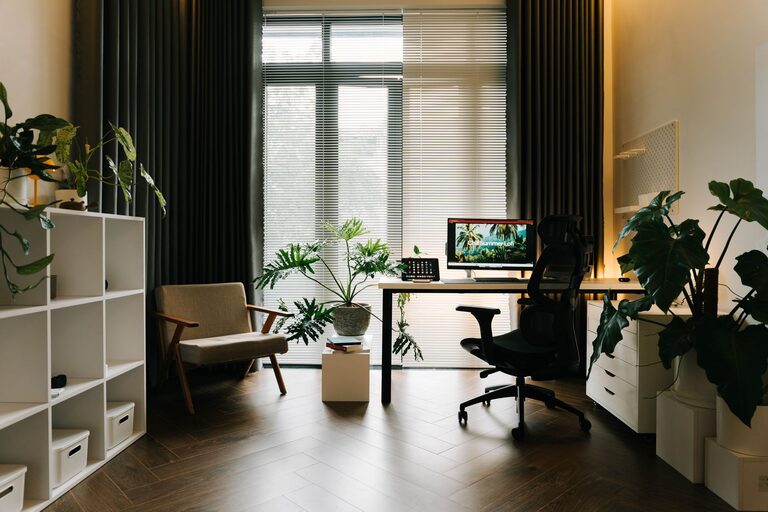
Natural light not only brightens your workspace but also boosts your mood and energy levels. Position your desk near a window if possible. This helps reduce eye strain caused by artificial lighting and creates a more inviting atmosphere.
Select a quiet spot where interruptions are less likely. Avoid areas with frequent household traffic or noisy appliances. Creating a space separated from your living and entertainment zones can help maintain focus.
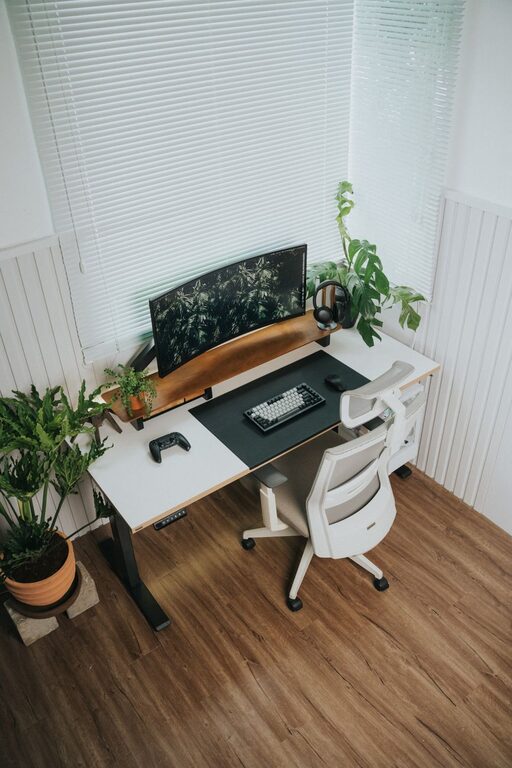
Comfort is key to staying productive. An ergonomic chair supports your back and promotes good posture, reducing discomfort during long work sessions. Pair it with a desk at the right height to avoid strain on your neck and wrists.
If possible, choose a sit-stand desk or furniture that offers flexibility. Alternating between sitting and standing can increase circulation and reduce fatigue.
A tidy environment helps clear your mind and keeps you organized. Use storage solutions like shelves, filing cabinets, or baskets to keep essentials within reach but out of sight.
Cables and cords can quickly become messy, distracting, and frustrating. Use clips, sleeves, or under-desk organizers to keep wires neat and prevent tangling.
Soft, neutral colors often create a soothing environment conducive to concentration. You can also add accents in your favorite colors to keep the space cheerful yet calm.
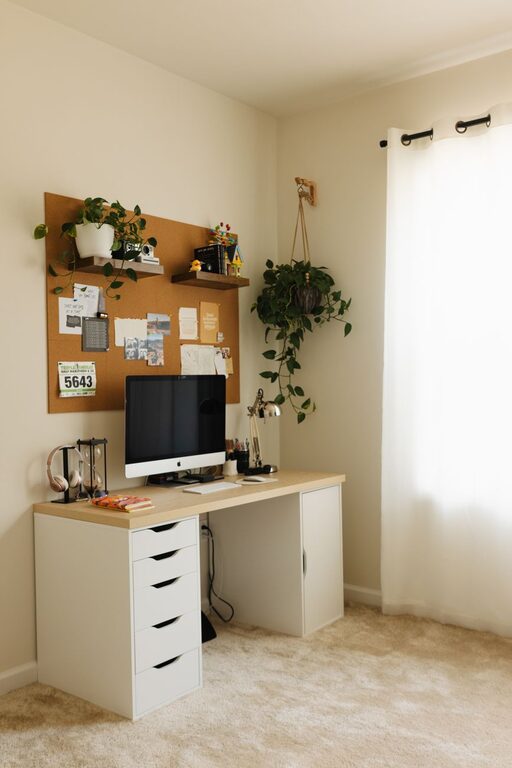
Small indoor plants improve air quality and bring a touch of nature indoors. They can help reduce stress and enhance creativity.
Consider adding a cozy rug, cushions, or a throw blanket. These elements add warmth and comfort, making the workspace inviting.
Good lighting reduces eye strain and improves productivity. Use a mix of ambient light (like ceiling fixtures) and task lighting (such as adjustable desk lamps) to brighten your workspace.
Position your lighting carefully to prevent glare on your computer screen, which can cause headaches and fatigue.
If outside noise is unavoidable, noise-canceling headphones can help you focus.
Some people work better with gentle background sounds. Experiment with instrumental music or white noise apps to find what helps you concentrate.
Setting clear start and end times helps separate work from personal life. This discipline can increase productivity and reduce burnout.
Let family or roommates know when you are working to minimize interruptions.
A fast computer and stable internet connection minimize frustrations that disrupt productivity.
Keep your computer desktop and folders organized to quickly find work documents.
Having motivational quotes or a vision board nearby can remind you of your purpose and keep you driven.
Visualizing tasks helps with time management and reduces anxiety about deadlines.
—
Creating a cozy and productive home workspace doesn’t require a complete overhaul. Small changes, thoughtful choices, and consistent habits go a long way toward making your work environment supportive and enjoyable. By prioritizing comfort, organization, and a clear boundary between work and relaxation, you can foster a healthy work routine that benefits both your professional and personal life.