 25 June 2026
 Share
Share
1
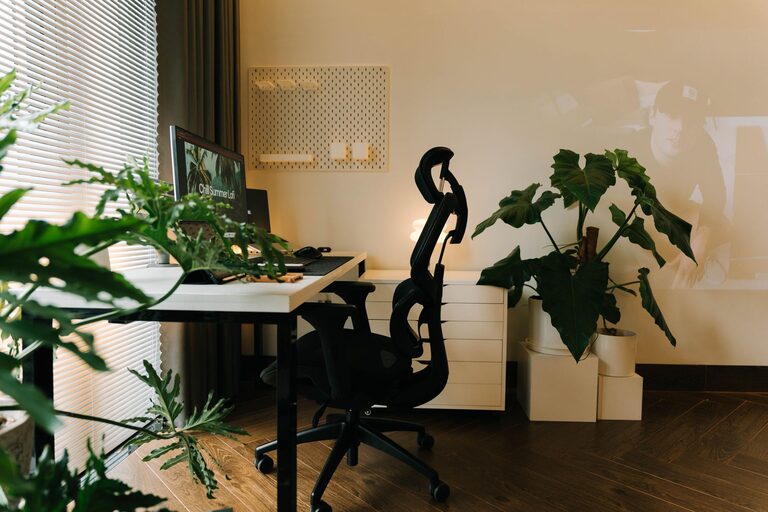
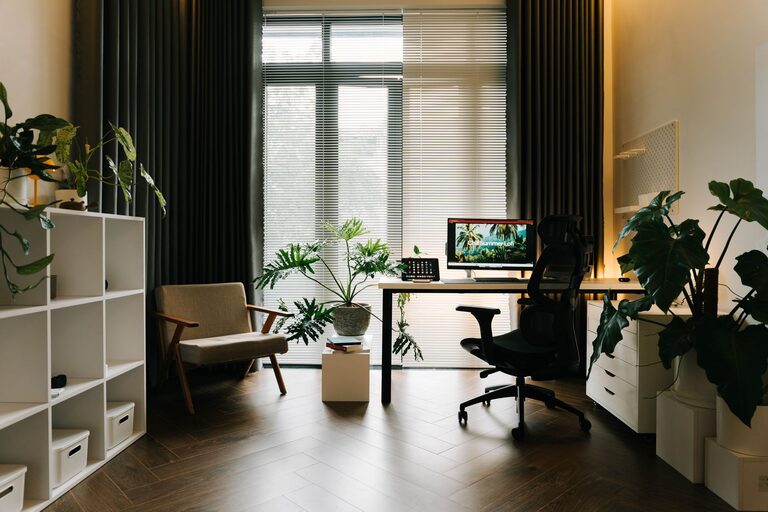
Creating a home office that is both relaxing and productive can make a big difference in your work-from-home experience. Whether you are freelancing, working remotely, or managing a home business, a thoughtfully arranged workspace helps you stay focused and reduces stress. In this post, we’ll cover practical tips for designing an environment that supports productivity while providing comfort and calm.
The first step is to select a specific area in your home just for work. Having a dedicated workspace helps your brain associate that spot with work mode, improving focus. Ideally, pick a quiet corner or room away from distractions like the TV or household traffic.
– Make sure the space has enough room for your desk, chair, and any necessary equipment.
– If space is limited, consider using room dividers or screens to separate your office from living areas.
Comfort is key when you spend hours at your desk. Prioritize ergonomics by choosing furniture that promotes healthy posture.
– A good quality office chair with adjustable height and lumbar support prevents back pain.
– A desk at the right height keeps your wrists straight while typing.
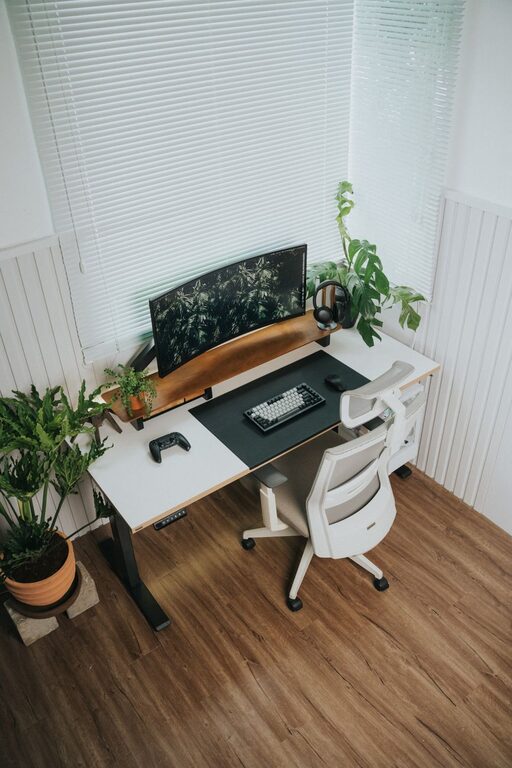
– If possible, consider a sit-stand desk for flexibility to alternate between sitting and standing.
Proper lighting reduces eye strain and enhances alertness.
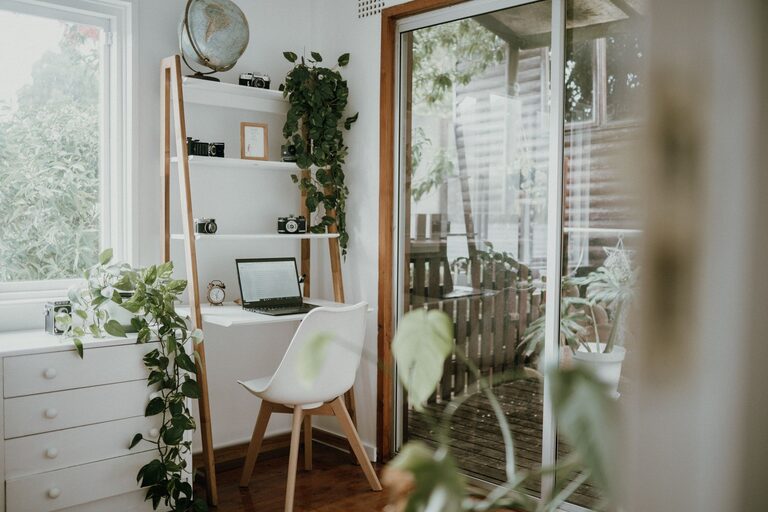
– Natural light is best: place your desk near a window to benefit from daylight.
– Use soft, diffused artificial lighting for cloudy days or late hours.
– Position a desk lamp to illuminate your work area without causing glare on your screen.
A tidy workspace fosters clarity and reduces distractions.
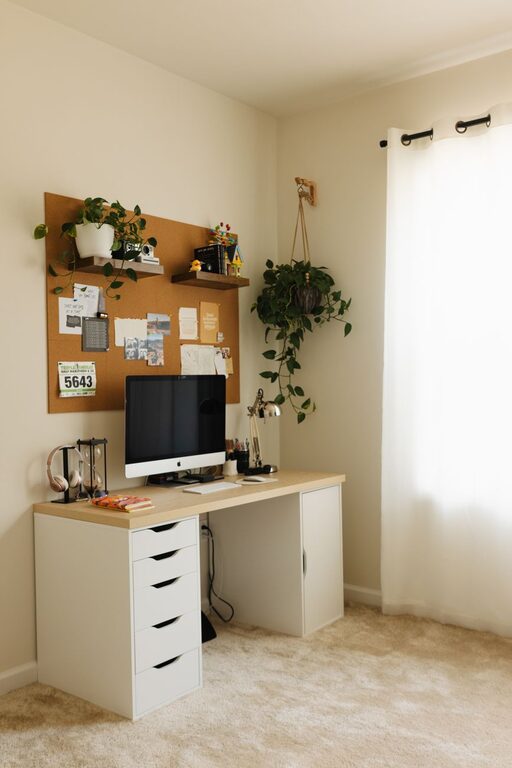
– Use storage solutions like shelves, filing cabinets, or desk organizers to keep papers and supplies off your desktop.
– Regularly declutter and only keep essential items within reach.
– Consider cable management tools to keep cords neat and prevent tripping hazards.
Adding personal touches can make your office more inviting and inspiring.
– Include plants to bring a bit of nature indoors and improve air quality.
– Decorate with artwork, photos, or motivational quotes that encourage you.
– Choose calming colors like soft blues, greens, or neutrals to promote relaxation.
Noise can disrupt concentration and increase stress.
– Use noise-cancelling headphones or white noise machines if you can’t control surrounding sounds.
– If possible, soundproof your office with heavy curtains, rugs, or acoustic panels.
– Communicate with family or roommates about your work hours to minimize interruptions.
Technology is essential but can be a source of distraction if unmanaged.
– Use a reliable computer and internet connection.
– Keep your software and hardware updated to avoid technical issues.
– Set up multiple monitors if your work involves multitasking.
– Turn off unnecessary notifications or use focus modes during work sessions.
Taking breaks is crucial for maintaining productivity and relaxation.
– If space permits, have a comfortable chair or small lounge area for short breaks.
– Stretch or practice deep breathing exercises to reduce tension.
– Keep a water bottle handy to stay hydrated throughout the day.
Creating structure helps balance work and personal life.
– Set clear work hours and stick to them.
– Use rituals like a morning coffee or a brief walk before starting to signal the beginning of the workday.
– Avoid checking work emails or tasks outside designated hours.
Designing a home office that is both relaxing and productive involves a mix of functional setup, personal comfort, and mindful habits. By creating a dedicated space with good lighting, ergonomic furniture, organization, and calming elements, you can enhance your focus and reduce work-related stress. Don’t forget to set boundaries and include regular breaks to maintain your wellbeing while working from home. With these tips, your home office can become a place where productivity and relaxation coexist smoothly.