 25 June 2026
 Share
Share
1
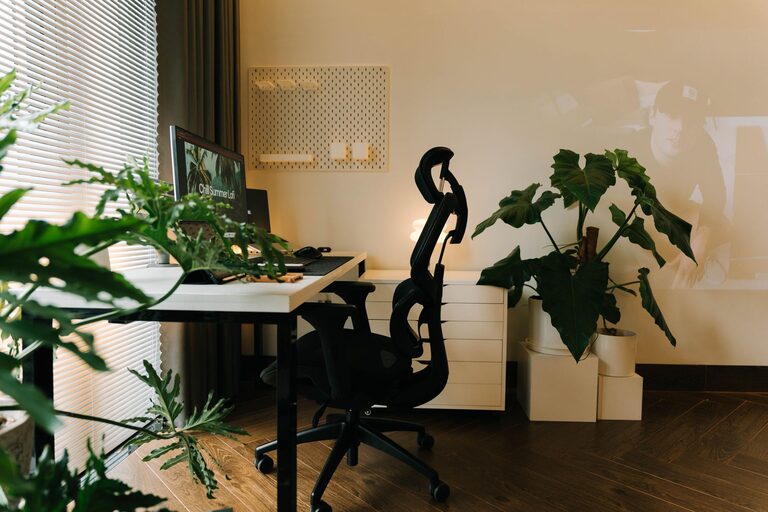
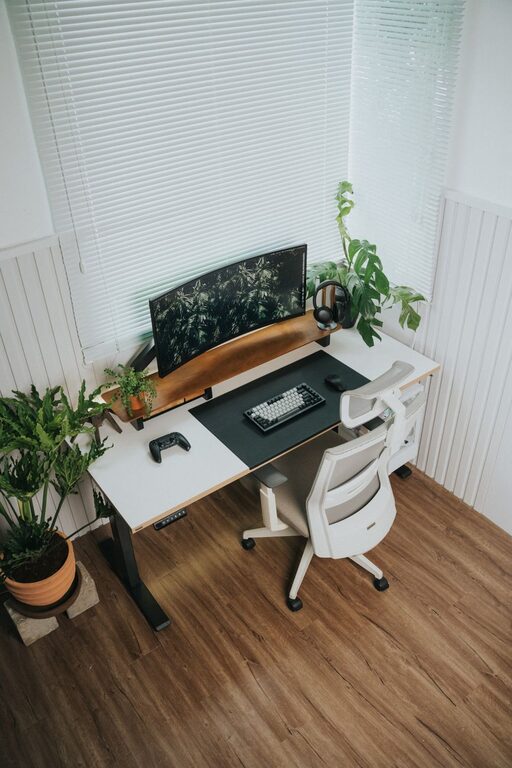
Creating a relaxing home office environment is key to maintaining productivity and well-being while working from home. A calm and comfortable workspace helps reduce stress, increase focus, and make your workday more enjoyable. Whether you have a dedicated room or a small corner, you can transform your home office into a peaceful haven with a few thoughtful adjustments.
In this post, we’ll explore practical tips and ideas to help you create a relaxing home office environment that supports your best work.
Your home office location sets the stage for comfort and focus. Ideally, find a spot with natural light, good ventilation, and minimal distractions.
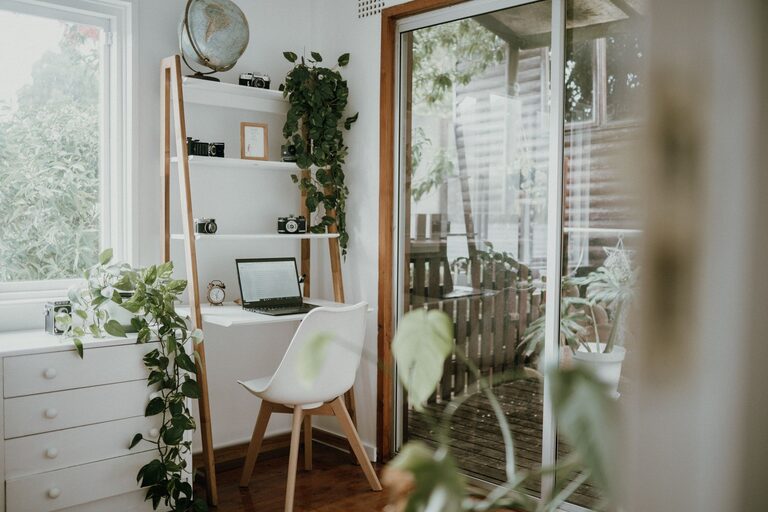
– Natural Light: Position your desk near a window to benefit from daylight. Natural light helps regulate your mood and energy levels.
– Quiet Area: Opt for a space away from high-traffic zones or noisy appliances to minimize interruptions.
– Separate Workspace: If possible, designate your office away from your living or relaxation areas to create a mental boundary between work and personal time.
Comfort matters when spending long hours at your desk. Invest in ergonomic furniture that supports your posture and reduces strain.
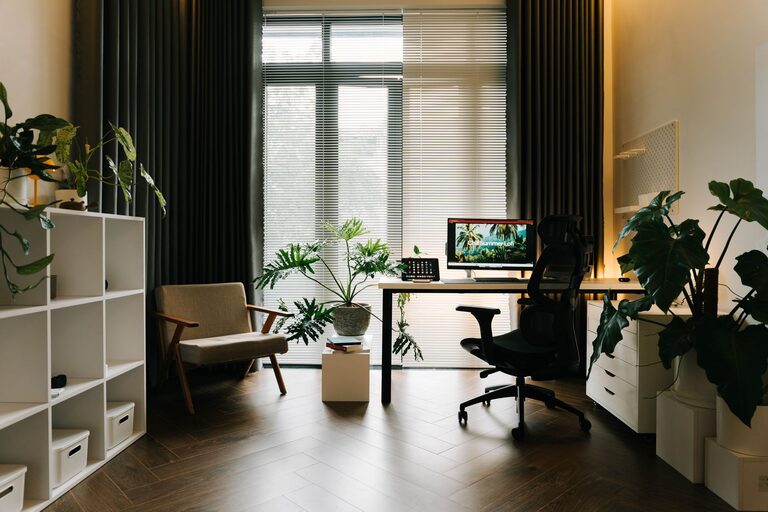
– Ergonomic Chair: Choose a chair with adjustable height, lumbar support, and comfortable padding.
– Desk Height: Your desk should suit your height to keep wrists, arms, and shoulders in a natural position.
– Footrest: Consider a footrest to improve circulation and comfort during extended sitting periods.
A cluttered workspace can cause stress and hinder productivity. Keep your home office tidy and organized.
– Minimal Essentials: Only keep items you regularly use on your desk.
– Storage Solutions: Use shelves, drawers, or organizers to keep supplies in order.
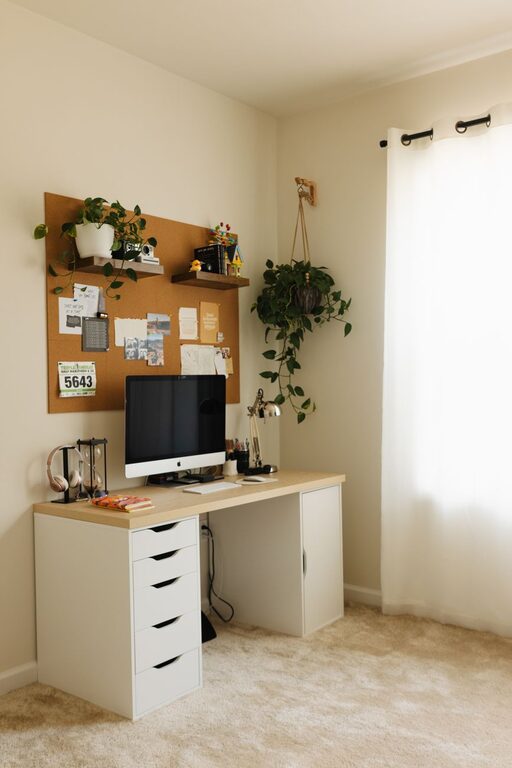
– Cable Management: Tidy up cords and cables with clips or cable sleeves to avoid visual chaos.
Colors influence mood and focus, so select calming hues and decor that inspire relaxation.
– Neutral and Soft Colors: Shades like soft blues, greens, and beiges promote tranquility.
– Personal Touches: Add framed photos, plants, or artwork that make you feel happy and relaxed.
– Avoid Overstimulation: Keep decor simple and uncluttered to maintain a peaceful vibe.
Indoor plants boost air quality and create a soothing atmosphere.
– Easy-Care Plants: Choose low-maintenance varieties like succulents, pothos, or snake plants.
– Placement: Position plants where they get light but won’t interfere with your work.
– Benefits: Plants reduce stress and increase productivity by creating a connection with nature.
Proper lighting reduces eye strain and enhances focus.
– Layered Lighting: Combine natural light with task lighting like desk lamps and ambient lighting.
– Adjustable Lamps: Use lamps with adjustable brightness and direction to suit different tasks.
– Avoid Glare: Place screens perpendicular to windows to minimize glare.
Taking regular breaks helps renew focus and reduce tension.
– Scheduled Breaks: Use timers to remind yourself to stand up and stretch.
– Mindfulness Practices: Try deep breathing or short meditation sessions during breaks.
– Move Around: A quick walk or light exercise can refresh your mind and body.
A pleasant temperature and fresh air contribute to comfort and alertness.
– Ventilation: Open windows when possible or use an air purifier.
– Temperature Control: Adjust heating or cooling devices to maintain a comfortable environment.
– Humidity: A small humidifier can help if air feels dry.
Adding elements that reflect your personality can make your workspace more inviting.
– Inspirational Quotes: Display motivational phrases that encourage positivity.
– Favorite Objects: Keep a favorite mug, stress ball, or keepsake nearby.
– Music: Play soft background music or nature sounds if it helps you concentrate.
Modern tools can support a relaxing workspace when used thoughtfully.
– Noise-Canceling Headphones: Block distracting noises to maintain focus.
– Blue Light Filters: Use screen filters or apps to reduce eye strain.
– Organized Digital Space: Keep your computer desktop and files orderly for easy access.
—
Creating a relaxing home office environment is about combining comfort, organization, and personalization. By making intentional choices about your space, furniture, lighting, and decor, you can build a workspace that supports your productivity and well-being. Start small with a few changes today and enjoy the benefits of a calming, inviting home office.